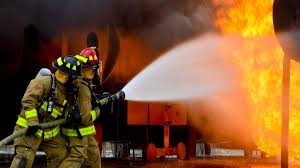
Arizona Fire Today (2026 Update) – Latest Wildfire News, Impact & Safety Information
Arizona is experiencing active wildfire conditions today, with multiple brush and river-bottom fires being reported in parts of the state due to dry vegetation, high temperatures, and shifting winds. While fire activity varies by region, officials continue to monitor hotspots and respond rapidly to new ignition points as the 2026 wildfire season intensifies.
Recent reports indicate that fires in Arizona are largely driven by dry riverbeds, desert brush, and strong winds, which allow flames to spread quickly once ignited.
Current Arizona Fire Situation Today
Buckeye River-Bottom Fire (Major Active Incident)
One of the most significant recent incidents involves a fast-moving brush fire in Buckeye, Arizona.
Key details include:
- Fire burned approximately 273–275 acres
- Fire reported as 0% contained at peak activity
- Ignition occurred in a river-bottom area with heavy vegetation
- Smoke visible across surrounding communities
- Temporary road closures and traffic disruptions
- No major injuries reported at last update
Fire crews reported that the blaze was fueled by:
- Dense creosote and desert vegetation
- Dry river-bottom fuel beds
- Strong directional winds pushing flames across terrain
Officials confirmed that crews worked through the night to secure fire lines and protect nearby residential areas.
Arizona Wildfire Conditions Today
1. Weather & Fuel Conditions
Arizona’s fire risk today is being influenced by:
- Extremely dry vegetation
- Low humidity levels
- Gusty winds in desert regions
- Accumulated brush and unmanaged fuels
These conditions make it easier for small sparks to become fast-moving wildfires.
2. Fire Spread Behavior
Firefighters report that Arizona wildfires often:
- Move quickly through dry desert brush
- Intensify in river-bottom fuel zones
- Produce heavy smoke plumes visible for miles
Police, Fire & Emergency Response
Fire Department Action
Arizona fire agencies have deployed:
- Ground firefighting crews
- Water tankers and bulldozers
- Air support (when conditions allow)
- Traffic control units for road closures
Safety Measures Implemented
Authorities have:
- Closed affected highways temporarily
- Issued local smoke advisories
- Advised residents to avoid fire zones
- Monitored wind shifts for evacuation readiness
No widespread evacuation orders were reported in the latest Buckeye incident, but officials remain on alert depending on wind changes.
Smoke & Air Quality Alerts
Residents near active fire zones may experience:
- Thick smoke haze
- Reduced visibility on highways
- Irritated eyes, throat, and breathing discomfort
Health officials recommend:
- Staying indoors when smoke is heavy
- Using air filtration if available
- Wearing masks outdoors in dense smoke areas
Fire Causes in Arizona (2026 Overview)
Most Arizona wildfires are caused by a combination of:
- Human activity (equipment sparks, discarded materials)
- Lightning strikes during dry storms
- Hot, dry climate conditions
- Highly flammable desert vegetation
Experts estimate that human-related ignition remains one of the leading causes of wildfire outbreaks in the state.
Safety Tips During Arizona Fires Today
If you are in or near affected areas:
Do:
- Follow evacuation orders immediately if issued
- Keep emergency kits ready (water, documents, medication)
- Monitor official fire updates
- Stay off closed roads
Don’t:
- Drive through active fire zones
- Ignore smoke warnings
- Attempt to fight large fires yourself
Updates Expected Next
Authorities are expected to provide:
- Containment percentage updates
- Overnight fire behavior reports
- Damage assessments (if any)
- Air quality changes across counties
Fire conditions in Arizona can shift rapidly depending on wind direction and temperature changes.
FAQs – Arizona Fire Today
Is there a major fire in Arizona today?
Yes, several brush and river-bottom fires have been reported, with the Buckeye fire being one of the most notable recent incidents.
Are there evacuations in Arizona right now?
No large-scale evacuations have been confirmed in the latest reports, but local advisories may change depending on fire spread.
What is causing Arizona fires today?
Dry vegetation, wind conditions, and human-related ignition sources are the main contributors.
Is Arizona fire season getting worse?
Yes, prolonged drought and hotter temperatures are increasing wildfire frequency and intensity.
Conclusion
Arizona fire activity today highlights the ongoing wildfire risk across desert and river-bottom regions. While firefighting crews have made progress containing recent incidents, conditions remain volatile due to heat, wind, and dry fuels.
Residents are advised to stay alert, follow official updates, and prepare for rapid changes in fire behavior as Arizona continues through an active wildfire period.